01
Manufacturer-Approved Repairs
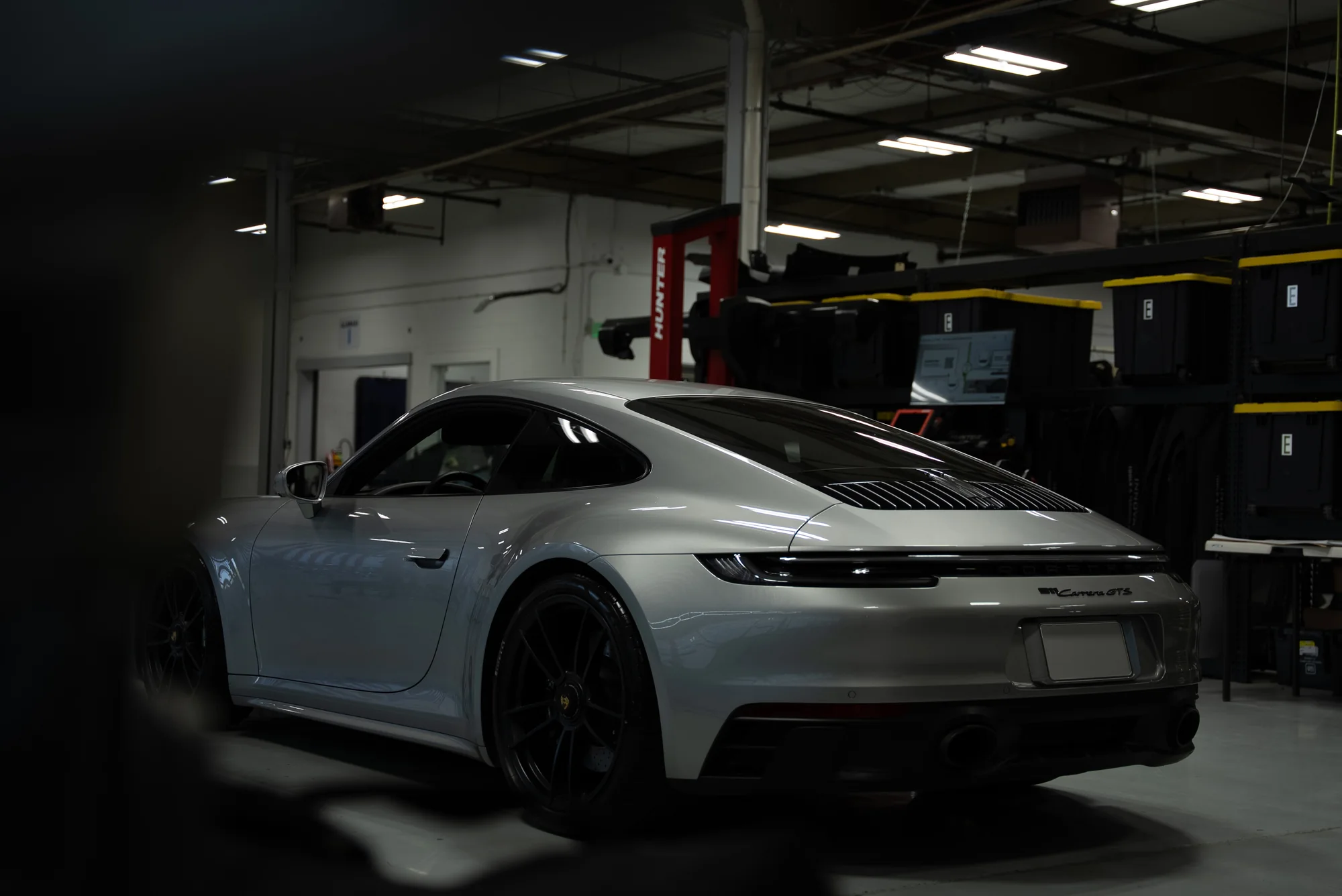
Restore your vehicle with manufacturer-approved collision repair backed by expert craftsmanship and decades of experience.
CERTIFIED COLLISION REPAIR CENTER
REPAIRS DESIGNED AROUND YOUR VEHICLE
Manufacturer-certified collision repair, expert craftsmanship and trusted service for Rolling Meadows and the Northwest Chicago suburbs for more than 40 years.












MANUFACTURER STANDARDS
Body Builders Automotive is a manufacturer-certified collision repair center. Repairs follow the procedures set by the maker of your vehicle, with certifications for Acura, Aston Martin, Bentley, BMW, Corvette, Infiniti, Jeep, Kia, Lexus, Nissan, Porsche, Rivian, Tesla and Toyota.
OEM (Original Equipment Manufacturer) Parts produced by the maker of your vehicle, shaped to its exact specification for fit, safety and finish.
40+
Years serving the area
7
Collision services under one roof
INSURANCE HANDLED
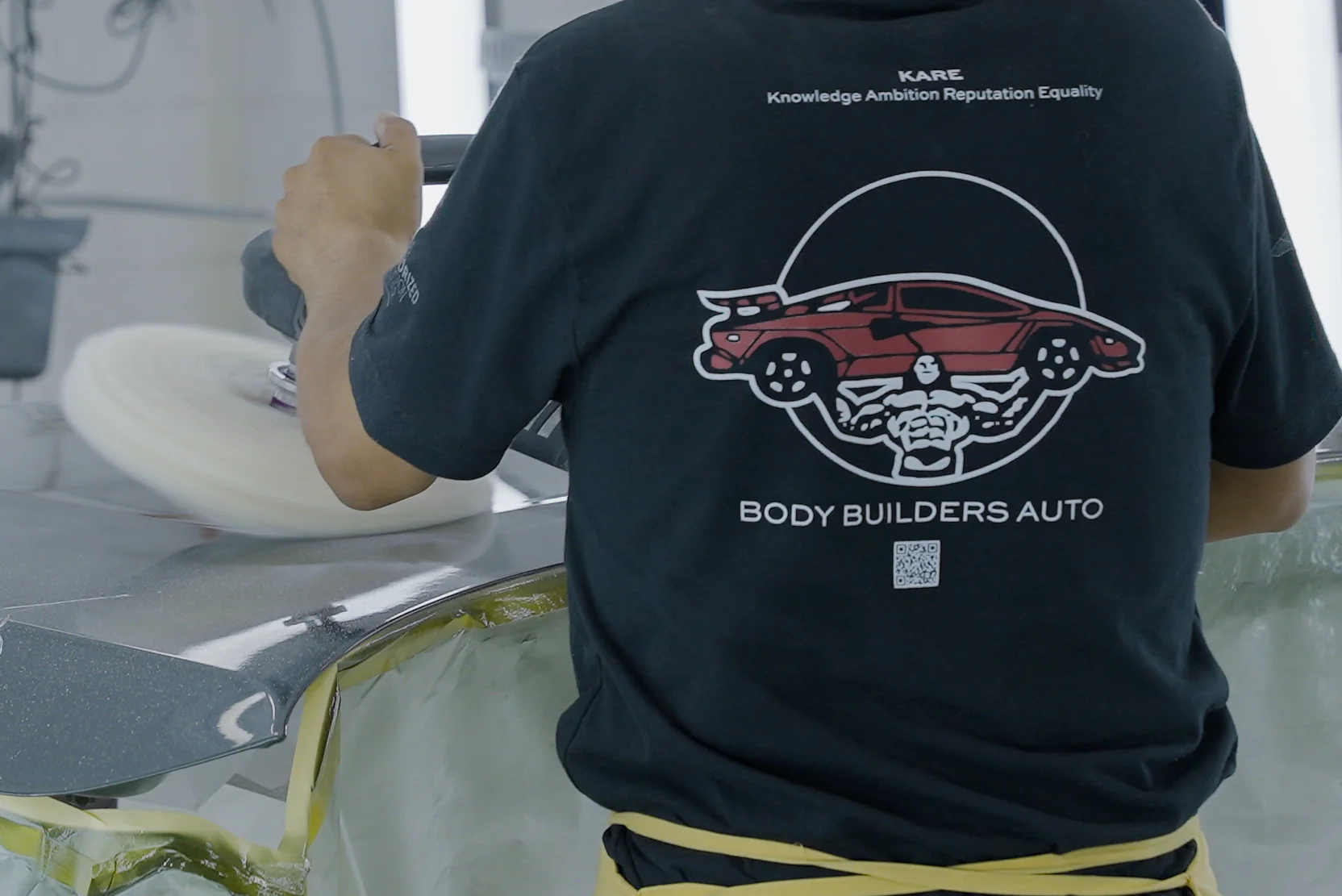
Collision repair is a paperwork problem as much as a bodywork problem. The damage and the repair plan are documented in writing and coordinated with your insurance company, so approvals and repairs keep moving.
THE STANDARD
The same documented discipline on every job — whatever the badge on the grille.
Restore your vehicle with manufacturer-approved collision repair backed by expert craftsmanship and decades of experience.
Specialized tools and expertise for aluminum vehicles, following manufacturer-approved repair procedures.
Repair or replace damaged windshields and auto glass with quality materials to help restore safety and visibility.
Comprehensive inspections identify hidden damage and verify every repair before your vehicle is returned.
Minor dents and dings removed without affecting your vehicle's factory paint.
From a few dents to widespread storm damage, expert repair restores your vehicle to its pre-storm condition.
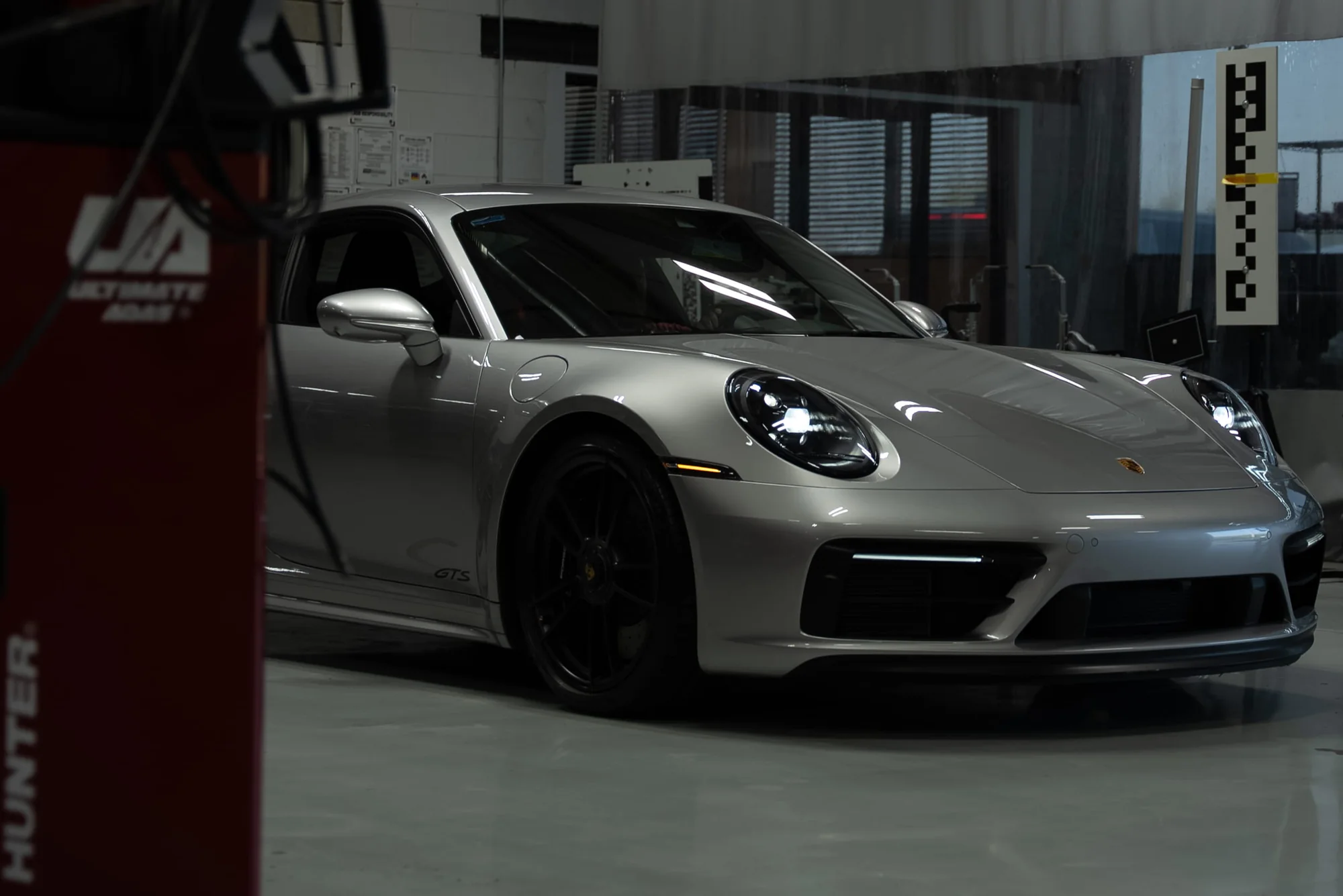
Cameras and sensors recalibrated after repairs so driver-assistance systems perform as intended.
The repair is documented in writing and coordinated with your insurance company from estimate to delivery.
Certified collision repair programs across the makes we service — from daily drivers to luxury and electric vehicles.
Reviews
Reviews published on the shop's Google profile and website.
Amazing and knowledgeable place. From estimate to delivery, they keep in contact, discuss everything in detail, worked with me with custom details, and got my car back from a very frustrating and draining situation. BBA is somewhere I'd recommend to anyone.
Body Builders Automotive: A state of the art auto repair facility. Extremely customer oriented; they treat your car as if it is their own. Extremely professional; they handle all aspects of your repairs including insurance issues, ensuring you are worry free.
Really impressed with the time they spent showing me the shop, very professional, they had friendly staff, the shop was clean. We were so impressed we had both cars detailed, they looked like they just came off the assembly line. Including the engine compartment.
WHAT THE SHOP COVERS
Seven collision services under one roof in Rolling Meadows. Each one starts with a clear estimate and a written repair plan before any work begins.
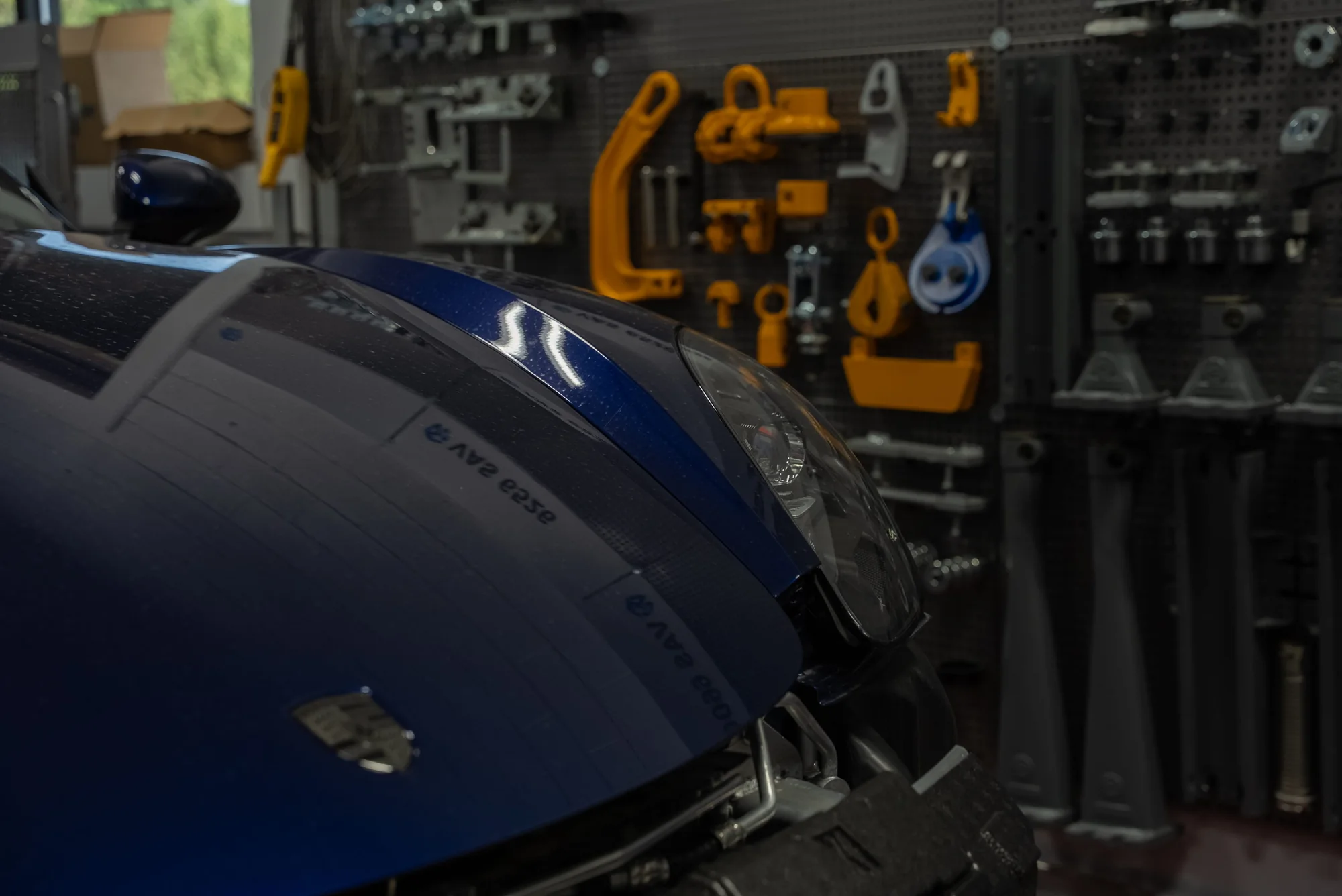
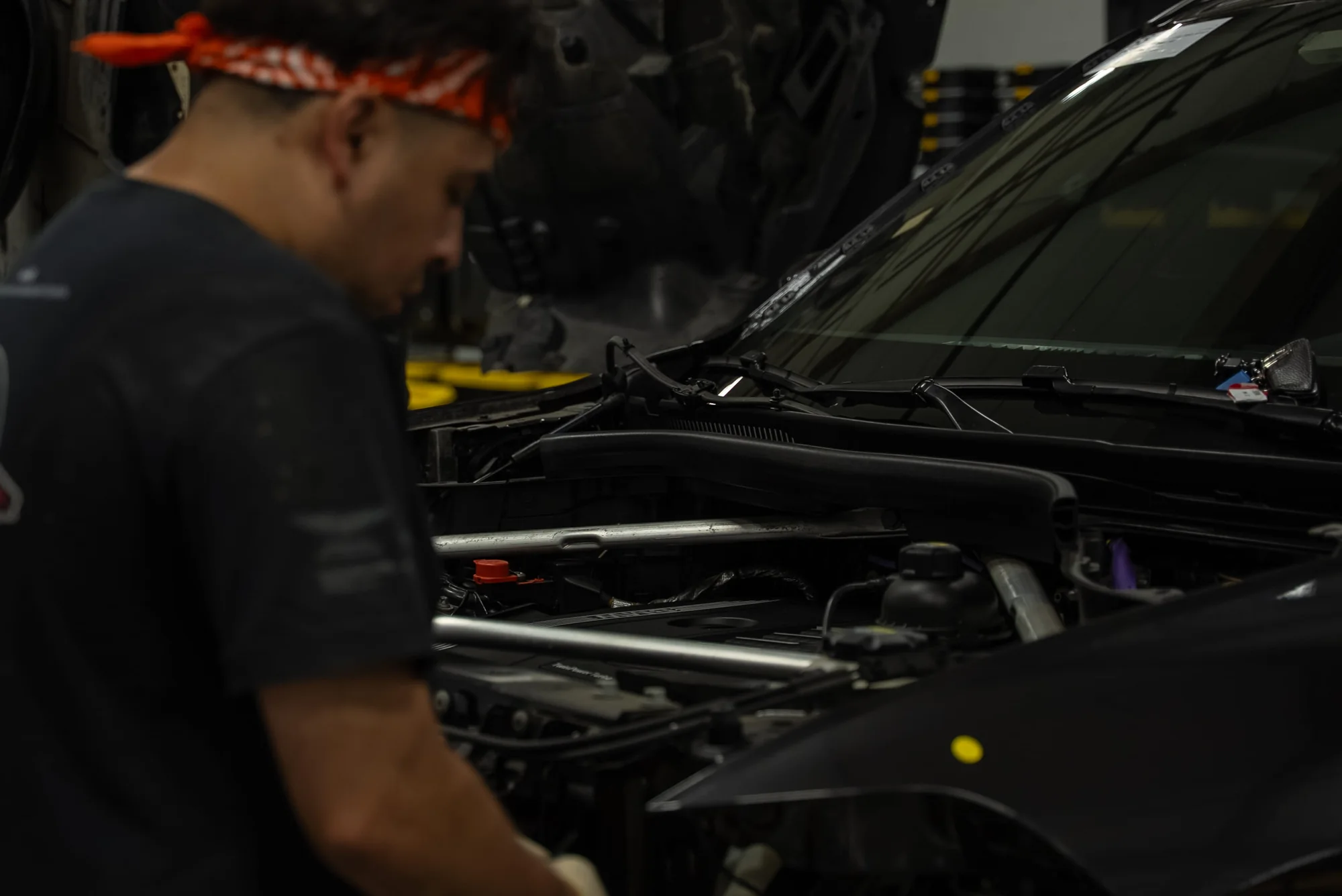
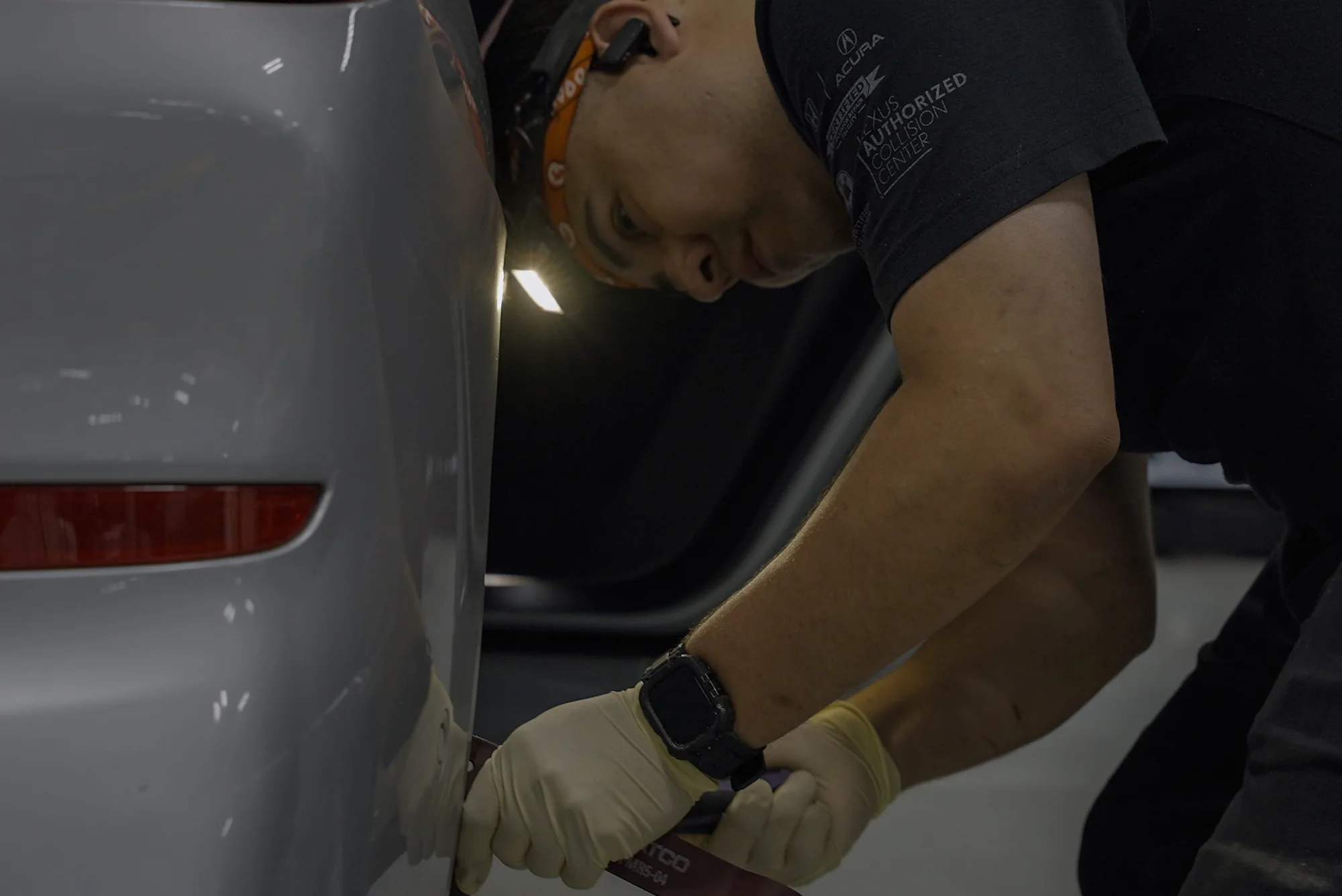
The repair starts with a documented estimate and, where needed, disassembly to find hidden damage. Panels are repaired or replaced to manufacturer procedures, with fitment checked against the agreed plan.
Aluminum behaves differently from steel and needs dedicated tools and work separation. The estimate identifies which panels are aluminum and how each one will be addressed.
When the paint film is intact, small dents can often be worked out from behind the panel. The shop checks the finish first and explains which method preserves the factory paint.
Chips are assessed first; cracks and edge damage usually mean replacement. Bonded glass is fitted to the correct procedure so seals, trims and fittings sit as intended.
Damage is not always visible from the outside. The inspection documents what was found, what was repaired and how the vehicle was checked before delivery.
Hail damage is mapped panel by panel so nothing is missed. The repair plan groups the damage by panel and finish so the work stays organized and the estimate stays honest.
Work around bumpers, glass, mirrors and suspension can disturb the sensors behind driver-assistance systems. Recalibration confirms cameras and radars read the road as the manufacturer intended.
Locations
ROLLING MEADOWS, ILLINOIS
3737 Industrial Ave, Rolling Meadows, IL 60008
Monday–Friday 7AM–5PM
BAR# ARD00187440
Answers
Bring the vehicle, photos of the damage if you have them, and your insurance claim details if a claim is open. The shop confirms the repair plan before any work begins.
The shop documents the damage and the repair plan in writing and coordinates with your insurance company through the claim. Ask the team how they usually exchange paperwork on your policy.
Yes. Aluminum body repair uses dedicated tools and procedures, and the shop holds certifications for brands including Tesla and Rivian. Tell the shop the make and model when you request the estimate.
Repairs around bumpers, glass, mirrors and suspension can move the cameras and radars behind driver-assistance systems. The estimate lists affected sensors and includes recalibration before the vehicle is returned.
Often yes, when the paint film is still intact. Paintless dent repair works the panel from behind; hail damage is mapped panel by panel first so the method is planned before work starts.
Body Builders Automotive is at 3737 Industrial Ave, Rolling Meadows, IL 60008, open Monday to Friday, 7AM–5PM. Call (847) 670-8383 or schedule an appointment online.
START WITH AN ESTIMATE
Send the basics and the shop responds with next steps and an inspection slot.
(847) 670-8383Request prepared